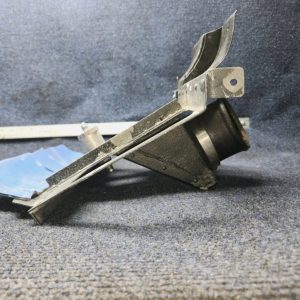
The Cessna 172RG Rear RH Baffle Assembly
The Cessna 172RG Rear Right-Hand Baffle and Cessna 172RG Engine Baffle terms describe related engine-compartment structures, while the exact Cessna 172RG Cooling Baffle should remain identified by P/N 2455038-2.
The Cessna Cutlass Engine Baffle and Aircraft Engine Baffle Assembly keywords help qualified buyers locate relevant replacement parts.
A Cessna Engine Cooling Baffle, Cessna 172RG Engine Compartment here Parts package, Aircraft Cooling Air Baffle, and Cessna 172RG Airflow Baffle contribute to controlling how cooling air moves around the installed engine.
Whether marketed as an Engine Cooling Baffle Assembly, Cessna Cutlass Cooling System Part, or Cessna 172RG Replacement Baffle, the component should receive individual inspection.
Understanding P/N 2455038-2
Every digit, dash, revision, or associated marking should be recorded because similar-looking baffles can differ in contour, holes, brackets, seals, and eligible applications.
Any alternate number, superseded number, drawing reference, repair marking, or donor-aircraft serial number should remain connected with the component.
How Aircraft Baffles Direct Cooling Air
Cracks, missing seals, loose fasteners, or distorted edges can allow cooling air to bypass intended areas.
Complete evaluation helps maintenance personnel address the underlying cooling concern.
Aircraft Model and Serial Applicability
Compatibility should be established through the exact aircraft model, serial number, engine installation, part number, baffle position, and applicable maintenance or parts information.
The engine model and installed accessories can influence clearances, brackets, hoses, wiring routes, and the shape of surrounding cooling components.
Aircraft Engine Baffle Construction
Formed contours help the baffle fit around the engine and connect with surrounding cooling-system components.
Previous forming or repair work should be disclosed and inspected carefully.
Rear RH Baffle Damage Inspection
Paint, oil residue, dirt, and old seal material can conceal findings that require closer review.
Previous patches, stop-drilled cracks, replacement brackets, welds, or enlarged holes should be documented.
Cessna Cooling Air Seal Replacement
The offered assembly should identify whether seal material, retainers, rivets, or mounting hardware are included.
Careful seal fitting supports more consistent cooling-air control.
Corrosion Inspection and Prevention
Professional corrosion treatment helps preserve the remaining baffle within acceptable limits.
Protective coatings should be compatible with the material and intended engine-compartment environment.
Maintaining Secure Baffle Connections
Cracks often begin near holes, corners, bends, bracket ends, and areas affected by vibration or forced alignment.
Old hardware should not be reused automatically because it fits the existing holes.
Cessna 172RG Engine Compartment Parts
The complete engine-compartment area should be inspected before parts are ordered.
Used Cessna 172RG Engine Compartment Parts should be evaluated individually rather than accepted solely because they came from the same donor aircraft.
Inspecting the Complete Cooling System
Unexpected engine temperatures should be investigated through a structured review of instrumentation, engine condition, airflow, baffles, seals, cowling, operation, and environmental factors.
Cleaning or replacing one baffle should not be presented as a guaranteed cooling improvement.
Rear RH Baffle Replacement Versus Repair
The decision to repair or replace a damaged baffle depends on crack location, corrosion, deformation, missing material, hole condition, previous repairs, and available technical data.
The completed component should be inspected before installation.
Replacement Baffle Purchase Considerations
The commercial value of P/N 2455038-2 depends on verified identity, aircraft applicability, condition, completeness, repair history, seals, brackets, traceability, and included hardware.
Dimensions and detailed photographs should be supplied before shipping arrangements are finalized.
Rear RH Cooling Baffle Condition Checklist
The buyer should request enough information for qualified maintenance personnel to evaluate the component before purchase.
- Determine whether seal material, retainers, fasteners, clips, brackets, records, or release documents are included.
- Confirm whether the component came from an accident aircraft, overheated engine compartment, corroded airframe, dismantled project, or controlled removal.
- Require packaging that supports the baffle without bending flanges, crushing contours, damaging brackets, scratching finishes, or allowing loose hardware to strike the panel.
Shipping and Storing the Rear RH Baffle
Professional packaging helps preserve the geometry of the Engine Cooling Baffle Assembly.
Heavy objects should never be stacked on the baffle.
Professional Engine Baffle Installation
The engine compartment should be inspected before the replacement component is positioned permanently.
Protective finishes and seal materials should be compatible with the intended engine-compartment environment.
Disciplined installation and documentation protect the Cessna 172RG Rear RH Baffle Assembly
Maintaining the Cessna 172RG Cooling System
Small cracks, loose fasteners, failed seals, and finish damage should be evaluated promptly.
Seal material should remain flexible, correctly oriented, securely attached, and positioned against the intended cowling surfaces.
Choosing the Cessna 172RG Rear RH Baffle Assembly
The Cessna 172RG Rear RH Baffle Assembly
Buyers should request current photographs, accurate measurements, transparent condition information, protective shipping, secure transaction terms, and qualified maintenance review.
Whether the project involves Cessna 172RG Engine Compartment Parts, an Aircraft Cooling Air Baffle, a Cessna 172RG Airflow Baffle, or a Cessna Aircraft Engine Baffle, every component should be inspected individually.
P/N 2455038-2 can deliver a professional combination of replacement value, cooling-system relevance, engine-compartment protection, and Cutlass application potential.